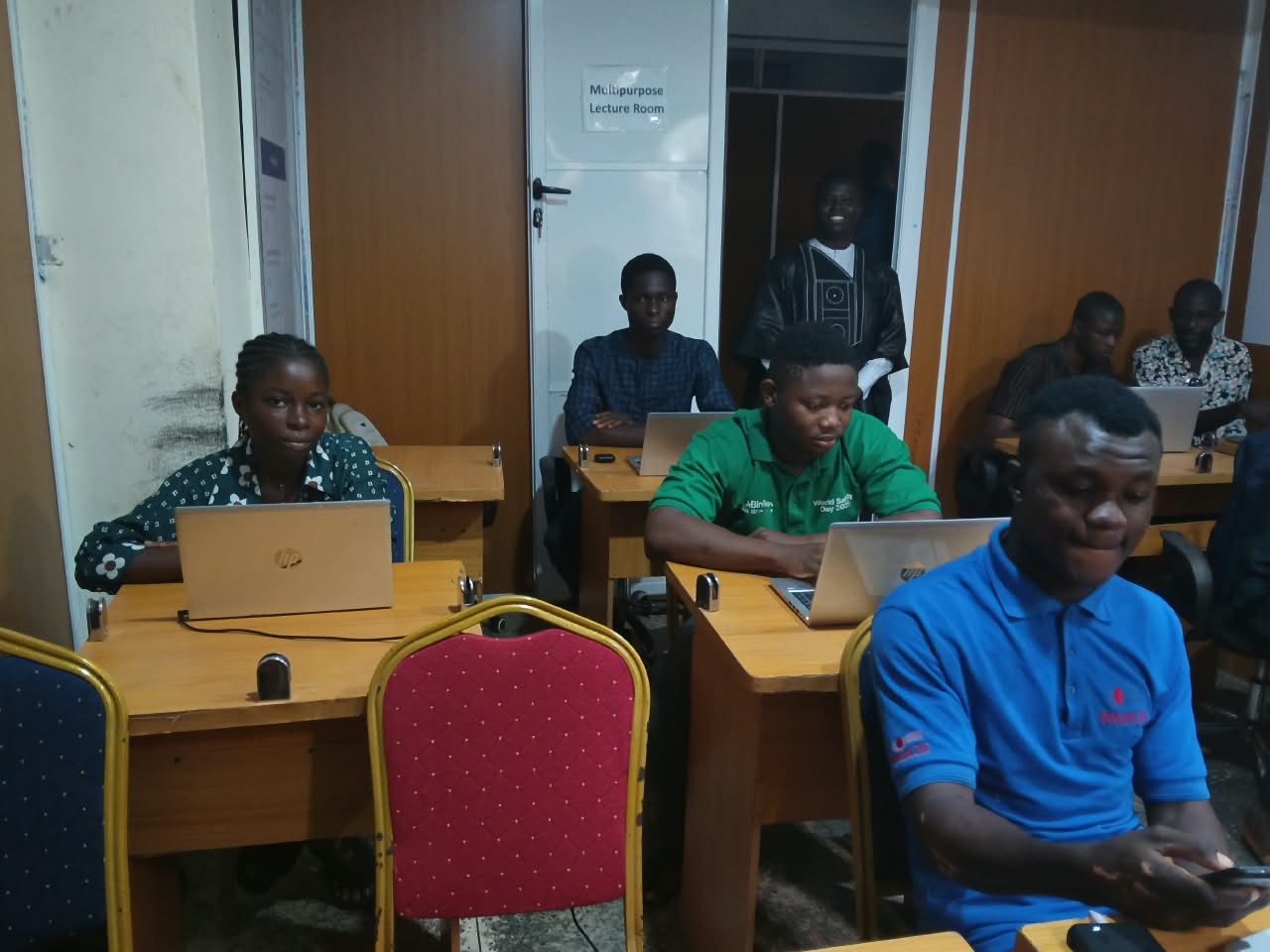
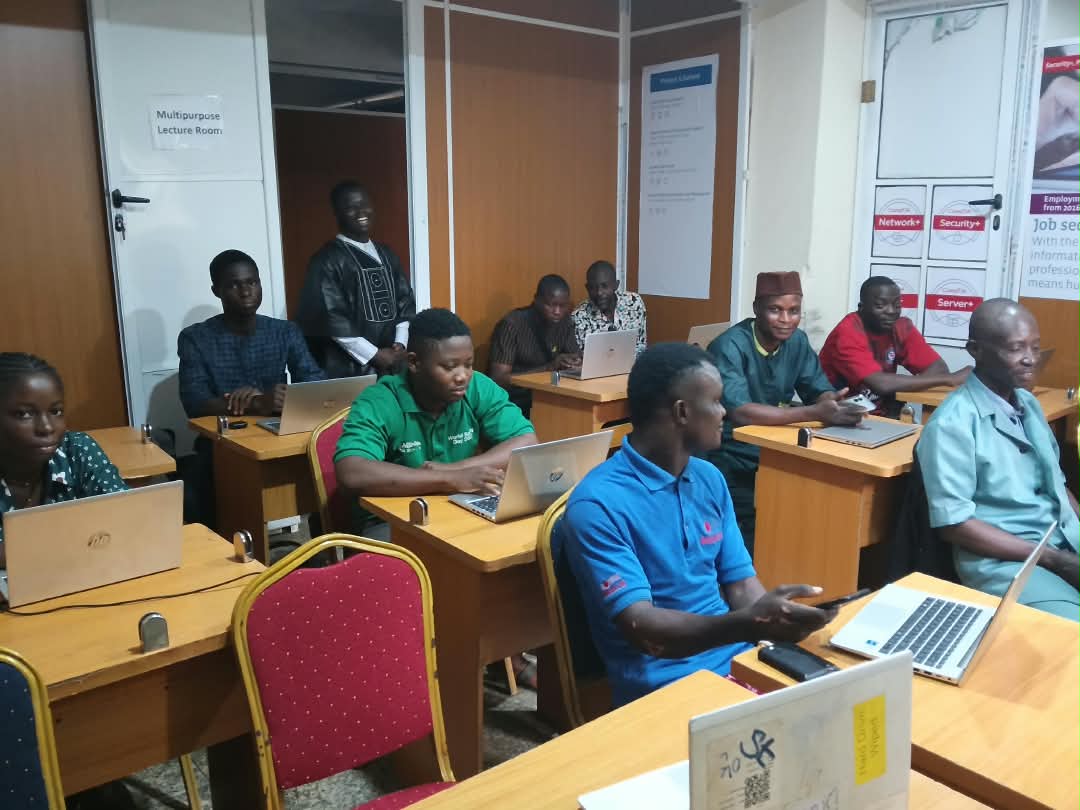
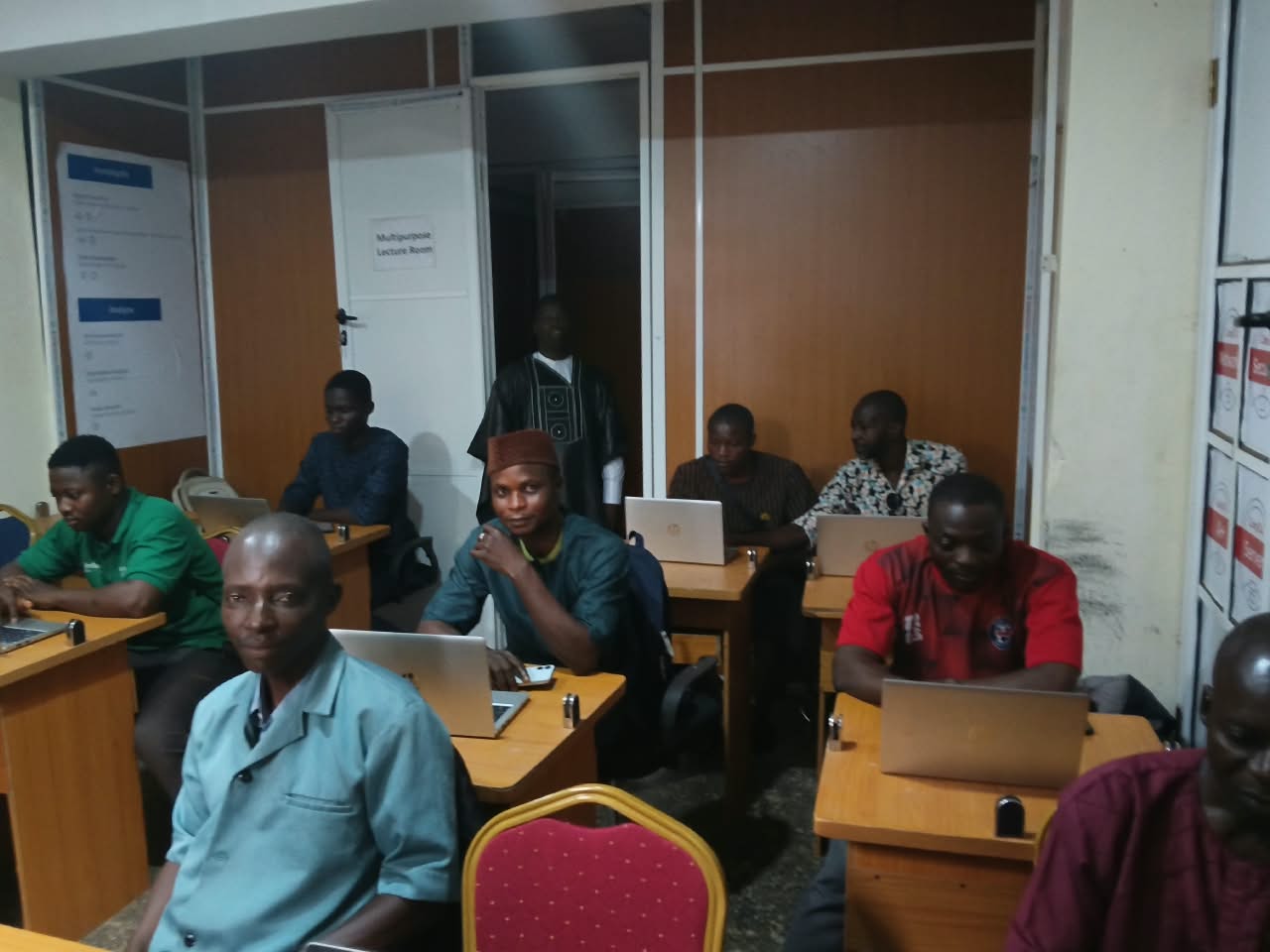
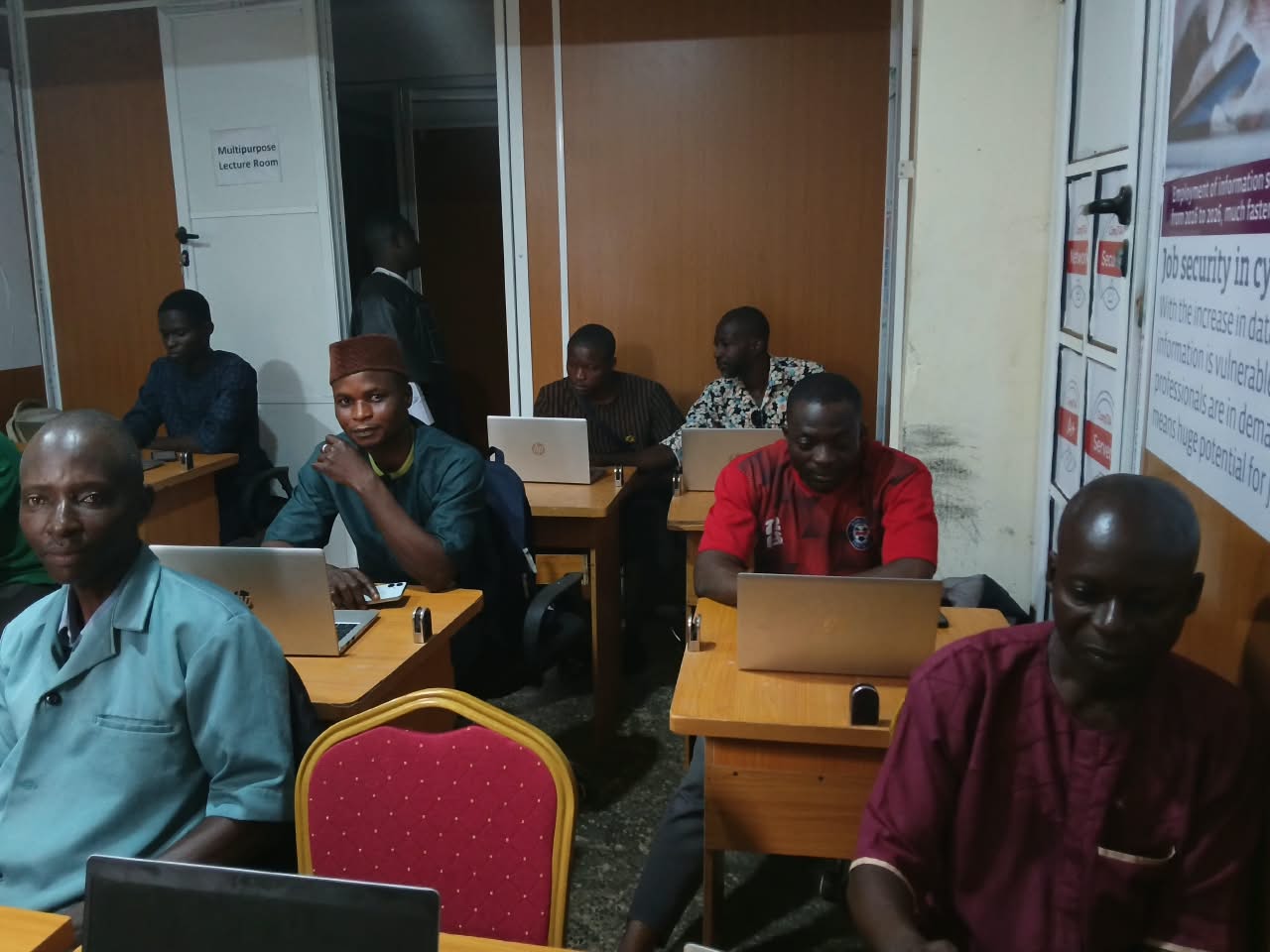
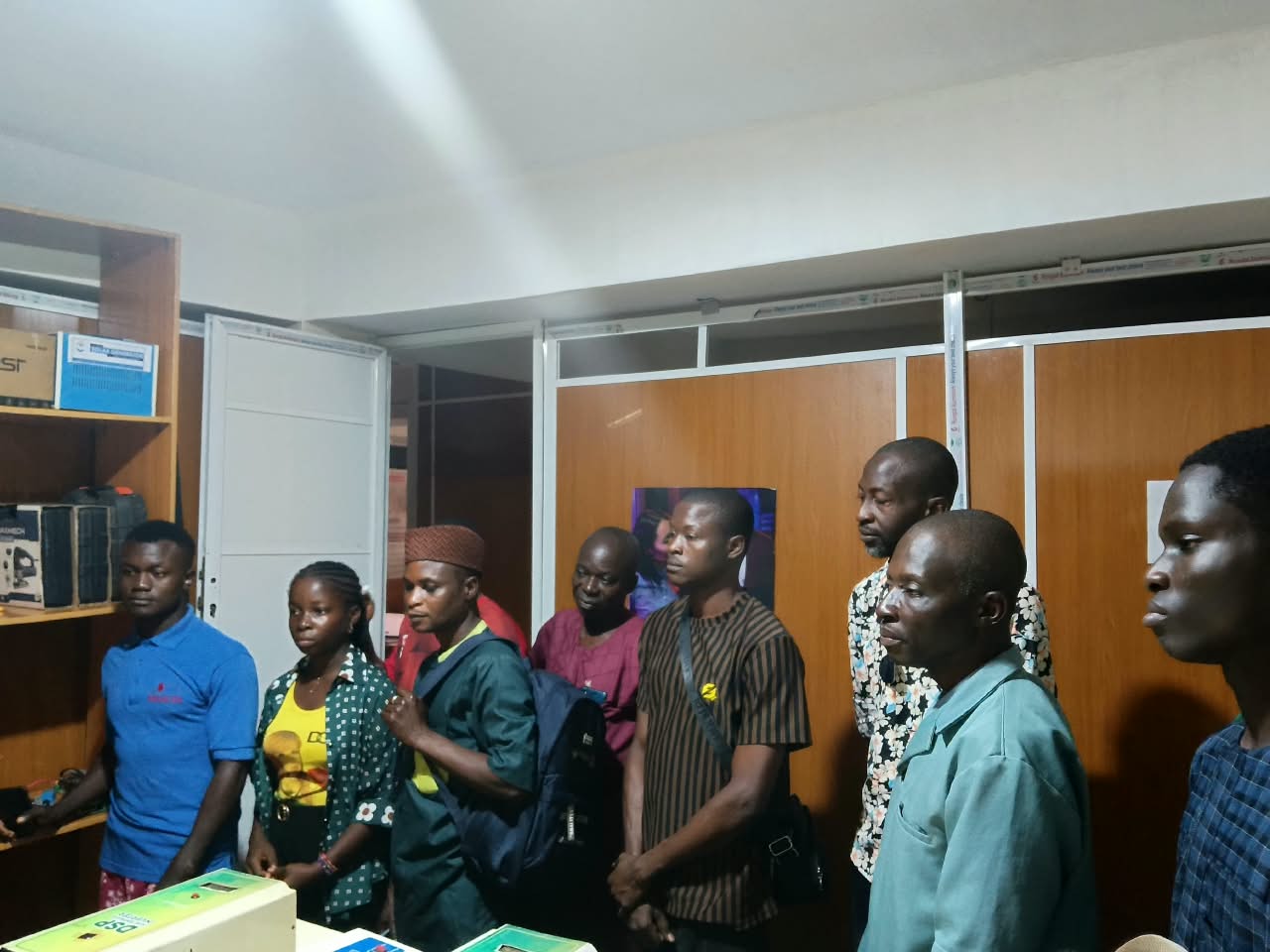
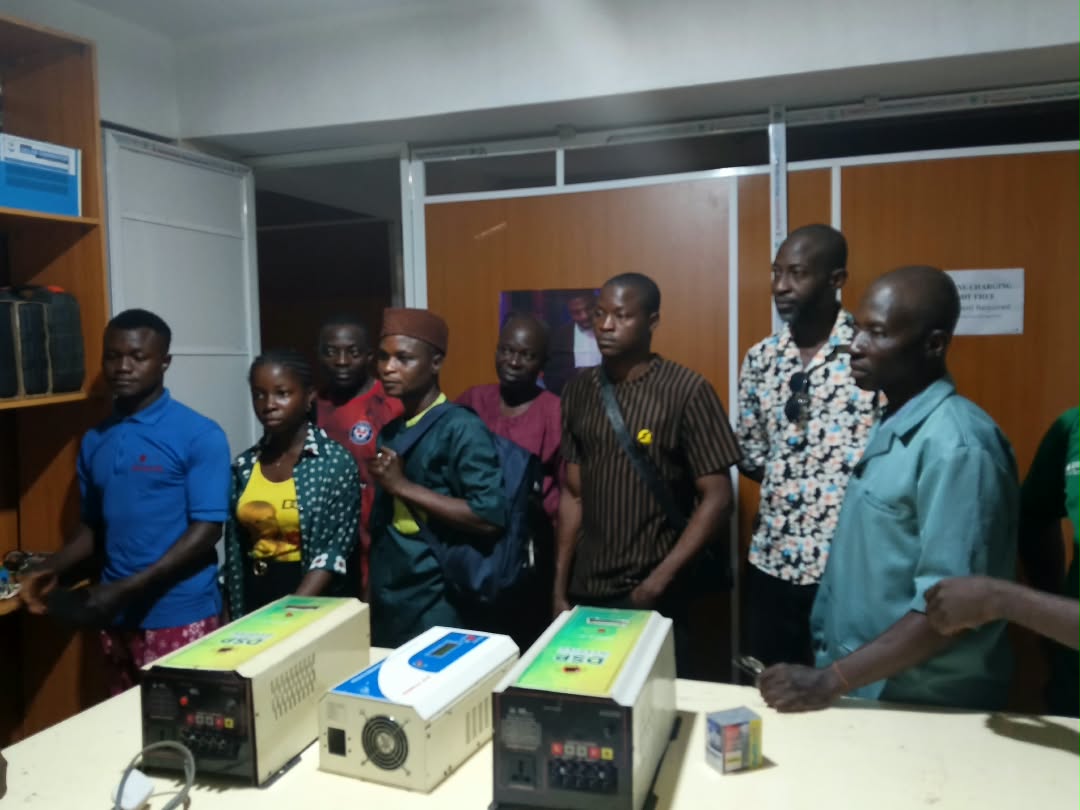
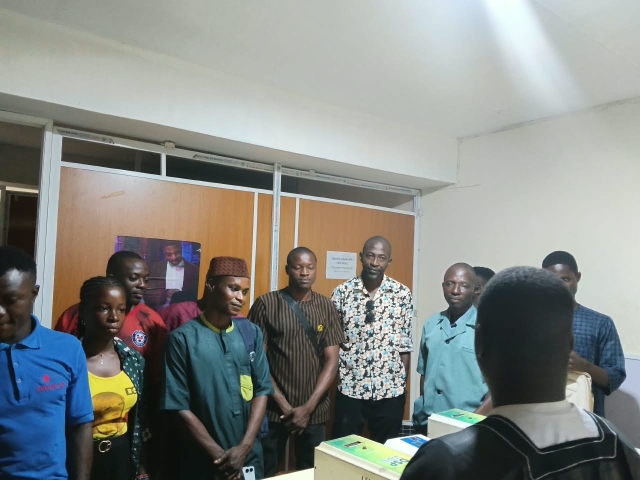
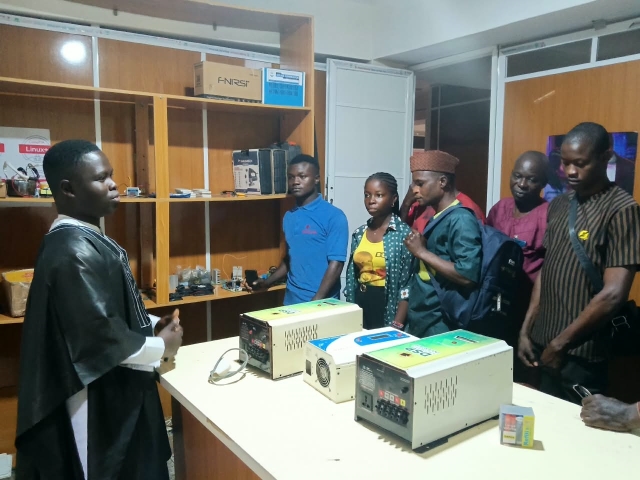
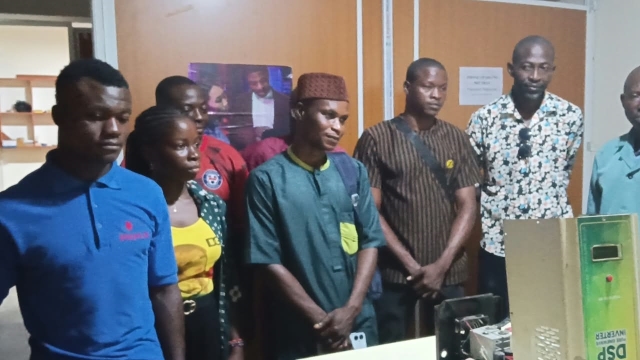
On 4 October 2026, 14 young people started training in the second cohort of the Tech-Solar Geeks Vocational Training Program, an initiative of ITECH Vocational Charity.
They came with different backgrounds and different stories. They share one goal: to leave with a skill that can earn them a living.
Tech-Solar Geeks trains youth and people from marginalized backgrounds who have had little or no access to skills training. It focuses on three trades with steady demand in Nigeria: computer repairs, mobile phone repairs, and solar generator building and installation.
This article explains what the program offers, how the six months are structured, what the first cohort has achieved, and why we believe these skills matter.
Why we started Tech-Solar Geeks
Many young Nigerians are willing to work but lack a marketable skill. Formal jobs are scarce. Degrees do not guarantee employment. Apprenticeships are often unpaid, unstructured, or out of reach for people who cannot afford the upfront fees.
ITECH Vocational Charity created Tech-Solar Geeks to close that gap. The idea is simple. Teach practical skills that people pay for, give trainees real tools to work with, and support them until they can stand on their own.
Every home, shop, school, and office depends on phones, computers, or electricity. When these things fail, people need someone who can fix them quickly. That someone can be a graduate of this program.
What the first cohort achieved
The first cohort gave us proof that the model works.
Some graduates have started businesses using the skills they learned. They now repair devices or install solar systems for paying customers. Others joined the program with some knowledge or a business idea already in mind. For them, the training sharpened what they knew and gave them the technical depth to do the work properly.
Both outcomes matter to us. Not every trainee starts from zero, and the program is built to serve both the complete beginner and the person who has already begun to find their feet.
These results shaped how we run the second cohort. We kept what worked, and we continue to improve what can work better.
The three skills participants will learn
Computer repairs. Trainees learn to diagnose faults in laptops and desktops. This covers hardware problems, software errors, slow systems, and failed components. They learn to open devices safely, find the faulty part, replace it, and test the result.
Mobile phone repairs. Phones are among the most used devices in the country, and they break often. Cracked screens, dead batteries, charging port faults, and software problems bring customers to repair shops every day. Trainees learn to handle these jobs with the right tools and the right technique.
Solar generator building and installation. Unreliable power supply is a daily reality for many households and small businesses. Solar generators offer a cleaner and often cheaper alternative to fuel generators. Trainees learn how solar panels, batteries, inverters, and charge controllers work together. They then learn to build a complete system and install it correctly.
All three skills are taught by doing. Participants spend their time with real devices and real equipment, not in long lectures with little practice.
How the six months work
The program runs for six months in two phases.
Phase 1: Intensive Training (October to December 2026). The first three months focus on learning. Trainees study the theory behind each trade and spend most of their time practicing. They take apart devices, test circuits, and build systems. They make mistakes in a setting where mistakes are part of learning. Instructors guide them until they can do the work on their own.
Phase 2: Supervised Internship (January to March 2027). The final three months move trainees from the training space into real working conditions. They apply what they have learned on actual jobs, with supervision. This phase matters because skill alone is not enough. A trainee also needs to learn how to deal with customers, quote a fair price, manage time, and deliver quality work. By the end of the internship, graduates should have both the ability and the confidence to start earning.
We built the program this way on purpose. Training without practice leaves people unprepared. Practice without proper training leads to poor work. Combining both gives graduates a stronger start.
A fully sponsored scholarship
The Tech-Solar Geeks program is a fully sponsored scholarship valued at ₦600,000 per participant. Cost is one of the biggest reasons talented young people miss out on skills training, and we want to remove that barrier.
We are grateful to everyone who makes this possible. Each sponsored place represents a young person with a real chance at a better future.
Why we keep each cohort small
This cohort has 14 trainees. That number is deliberate. Hands-on training works best when instructors can watch each trainee work, correct mistakes early, and give personal attention. A small group also means every trainee gets time with the tools, rather than waiting for a turn.
Applications for this cohort are now closed. We received strong interest, and we thank everyone who applied.
The case for electronics and renewable energy
Two fields stand out for their long-term potential.
Electronics repair will stay relevant as long as people depend on phones and computers. Devices break, and repairing them is cheaper than replacing them.
Renewable energy is growing quickly. More households and businesses are turning to solar power because of rising fuel costs and unstable grid supply. Skilled technicians are needed to design, build, and maintain these systems. People who learn the trade now will be ready for the demand that is already forming.
Together, these two fields give our trainees a wide range of options after graduation. A person with a repair or solar installation skill can open a small business, join an established firm, or work independently. They become problem solvers in their communities instead of waiting for a job that may never come.
What the second cohort means to us
The second cohort shows that the program is growing. It is no longer a single experiment. It is becoming a steady pathway for young people who need a skill and a start.
Our larger goal is clear. We want graduates who can earn an income, support their families, and one day train others in turn.
How to stay connected
Although applications for this intake are closed, you can still follow the work. Visit www.itechcharities.org to learn more about the Tech-Solar Geeks program and to find updates on future intakes.
If you know a young person who could benefit from a program like this, keep the website in mind and tell them to watch for the next call for applications. Share this article with your family, friends, church, mosque, or community group.
You can also support the work. Sponsors, partners, and volunteers help us train more people. If your organization wants to sponsor a trainee or provide equipment, please reach out through our website.
Looking ahead
The second cohort has started, and the next six months will test the trainees’ patience and effort. We believe they are ready.
To the 14 trainees: we are glad you are here. Show up, ask questions, practice often, and take the internship seriously. The skills you build over these months can change your income and your future.
To our supporters: thank you for believing in practical education. Your sponsorship is already putting tools in young hands.
We will share updates as the cohort progresses, including milestones from the training and stories from the trainees themselves.
ITECH Vocational Charity empowers youth and marginalized individuals with practical, in-demand skills for sustainable livelihoods.